Rubber Roof Installation in Naperville, IL
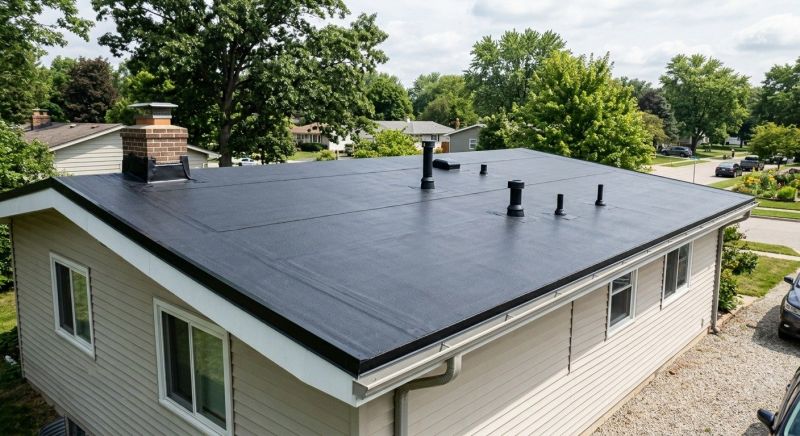
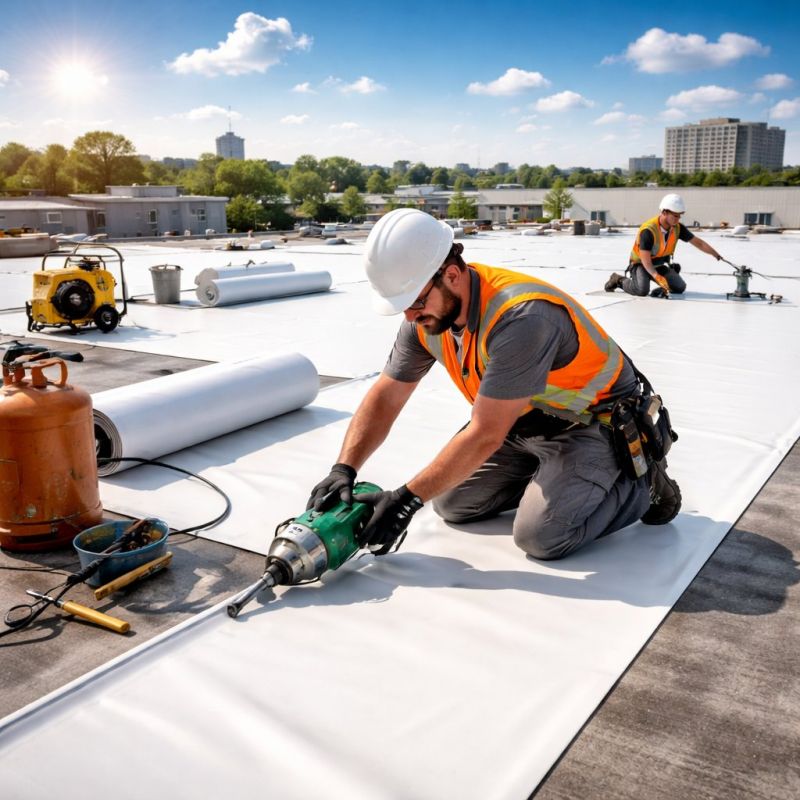
Rubber roof installation services involve the process of fitting durable, flexible roofing membranes made from rubber, typically EPDM (ethylene propylene diene monomer), onto residential properties. This type of roofing is often chosen for flat or low-slope roofs on homes such as garages, porches, or commercial-style buildings. Property owners usually seek information on the suitability of rubber roofing for their specific roof type, the benefits of its resistance to weather and UV rays, and how it can provide a long-lasting, watertight solution. Understanding the scope of projects covered, including new installations or roof replacements, helps homeowners determine if rubber roofing aligns with their property’s needs.
Before requesting rubber roof installation, property owners often want to know about the preparation process, the materials used, and the expected lifespan of the roofing system. They may also inquire about the compatibility of rubber roofing with existing structures, the potential for energy efficiency improvements, and any necessary maintenance considerations. Clear information on the installation process and what to expect can help homeowners make informed decisions about upgrading or replacing their current roofing with a resilient rubber membrane.
Many property owners in Naperville, IL look into Rubber Roof Installation for repairs, replacements, upgrades, and appearance-related improvements.
Benefits Of Rubber Roofs
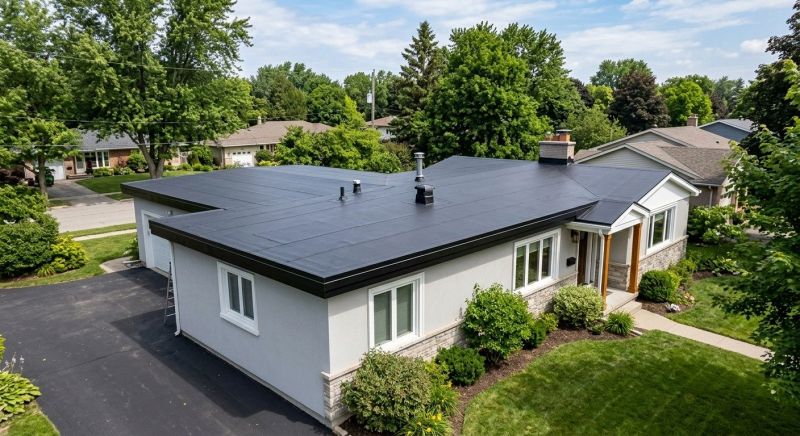
Rubber roofs offer durability and flexibility for residential and commercial buildings in naperville, il.
Installation Process Overview
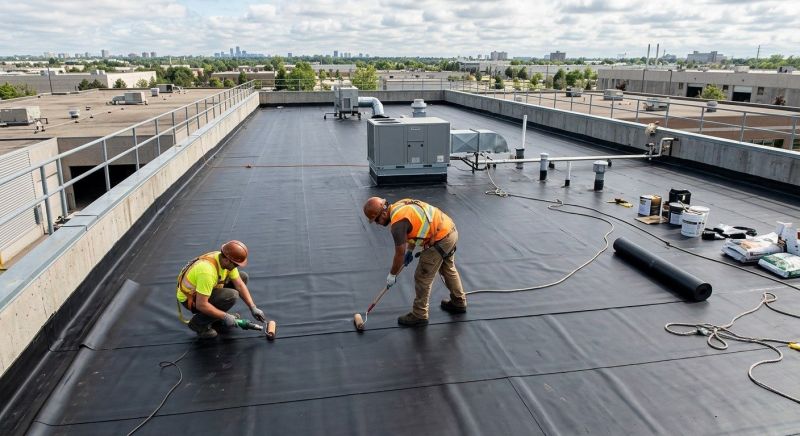
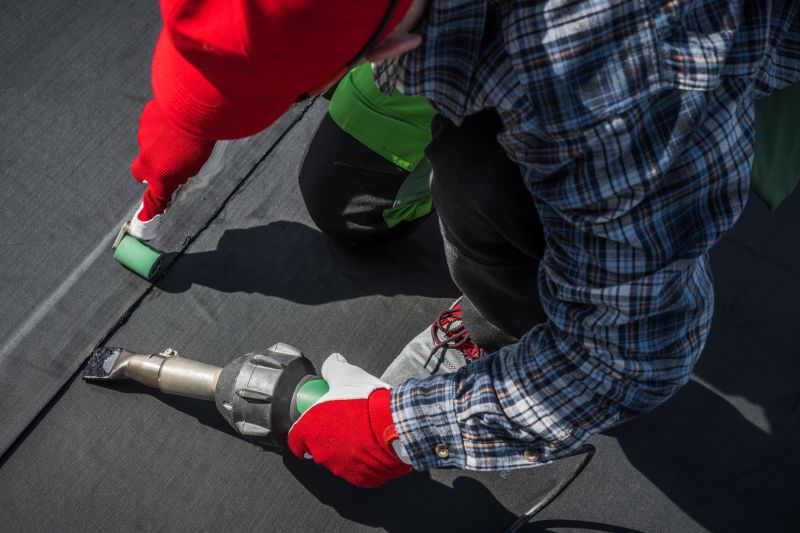
Proper installation ensures a long-lasting, weather-resistant rubber roof for your property.
Maintenance And Care Tips
Regular inspections and maintenance help extend the lifespan of rubber roofing systems in naperville and nearby areas.
Rubber Roof Installation in Naperville, IL
Rubber roof installation services involve the process of fitting durable, flexible roofing membranes made from rubber, typically EPDM (ethylene propylene diene monomer), onto residential properties. This type of roofing is often chosen for flat or low-slope roofs on homes such as garages, porches, or commercial-style buildings. Property owners usually seek information on the suitability of rubber roofing for their specific roof type, the benefits of its resistance to weather and UV rays, and how it can provide a long-lasting, watertight solution. Understanding the scope of projects covered, including new installations or roof replacements, helps homeowners determine if rubber roofing aligns with their property’s needs.
Before requesting rubber roof installation, property owners often want to know about the preparation process, the materials used, and the expected lifespan of the roofing system. They may also inquire about the compatibility of rubber roofing with existing structures, the potential for energy efficiency improvements, and any necessary maintenance considerations. Clear information on the installation process and what to expect can help homeowners make informed decisions about upgrading or replacing their current roofing with a resilient rubber membrane.
Many property owners in Naperville, IL look into Rubber Roof Installation for repairs, replacements, upgrades, and appearance-related improvements.
Common Rubber Roof Installation Jobs
Rubber Roof Replacement - involves removing old roofing material and installing a new rubber membrane for long-lasting protection.
Flat Roof Repairs - addresses leaks, tears, or damage on rubber roofing systems to maintain water resistance.
Emergency Roof Fixes - provides quick repairs for sudden roof issues to prevent further damage.
Seam Reinforcement - seals and secures seams to ensure a continuous, watertight rubber roof.
Roof Coating Applications - applies protective coatings to extend the lifespan of existing rubber roofing.
Inspections and Maintenance - evaluates the condition of rubber roofs and recommends necessary upkeep.
Rubber Roof Installation Questions
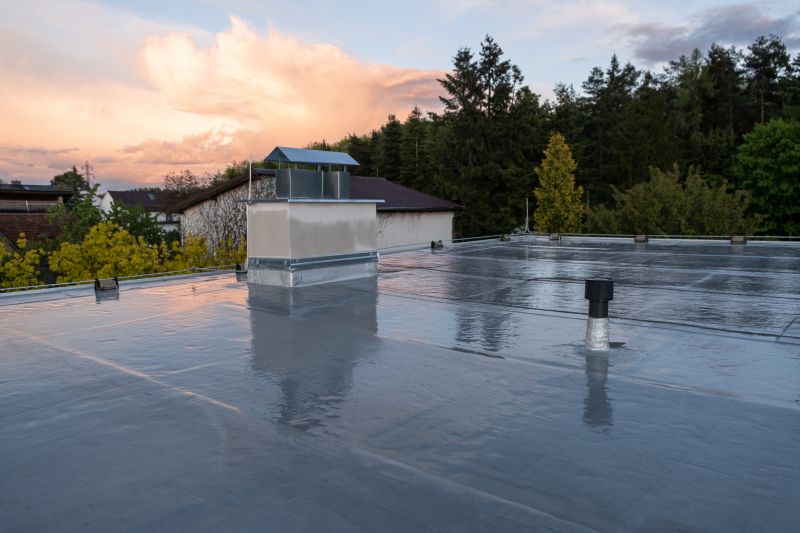
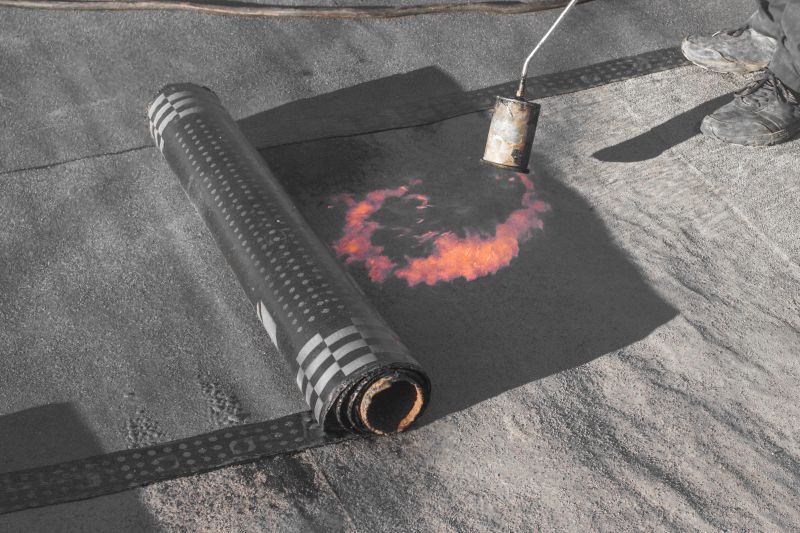
What is a rubber roof installation? It involves adding a durable, waterproof rubber membrane to protect a roof from weather damage and leaks.
What types of buildings are suitable for rubber roof installation? Rubber roofing is commonly used on residential homes, commercial buildings, and flat roofs.
How long does a rubber roof typically last? A properly installed rubber roof can provide reliable protection for 20 to 30 years.
What are common projects for rubber roof installation? Typical projects include replacing aging flat roofs, upgrading commercial properties, or installing new roofs on residential structures.
Request Rubber Roof Installation in Naperville, IL
Use the quote form on this page to share the basics of your project and request more information for the type of work you need.