Common Mistakes to Avoid During a Tar Roof Replacement
Homeowners seeking to avoid common mistakes during a tar roof replacement can benefit from local contractors who specialize in proper installation and quality workmanship.
Property owners considering a tar roof replacement often seek guidance on avoiding common pitfalls that can impact the durability and effectiveness of the new roof. If you’re exploring this project, you’re in the right place to learn about the practical mistakes that can occur during installation and how to steer clear of them. Understanding these issues is especially important for those in the area who want to ensure their investment provides long-term protection. Local contractors who specialize in tar roof replacements have the experience to help navigate these challenges, making it easier to achieve a successful result.
Keeping informed about common mistakes to avoid during a tar roof replacement can save property owners from costly repairs or premature roof failure down the line. Many local service providers emphasize proper surface preparation, correct application techniques, and quality materials-key factors that influence the longevity of the roof. As you read on, you'll discover insights that can help you make smarter decisions and connect with trusted local experts who can handle the job with skill and care, ensuring your roof replacement meets your expectations and provides lasting value.
- Tar roof replacement - homeowners considering this project should be aware of proper surface preparation, which local contractors handle to prevent future leaks.
- Tar roof replacement - property owners often overlook ventilation needs, and local service providers ensure proper airflow during installation.
- Tar roof replacement - clients need to avoid rushing the removal process, which local pros approach carefully to prevent damage to underlying structures.
- Tar roof replacement - those neglecting weather considerations risk delays or compromised work, and local contractors plan around optimal conditions.
- Tar roof replacement - individuals sometimes underestimate the importance of quality materials, which local service providers select to enhance durability.
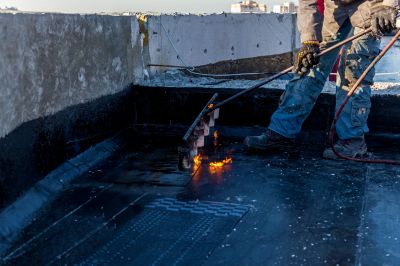
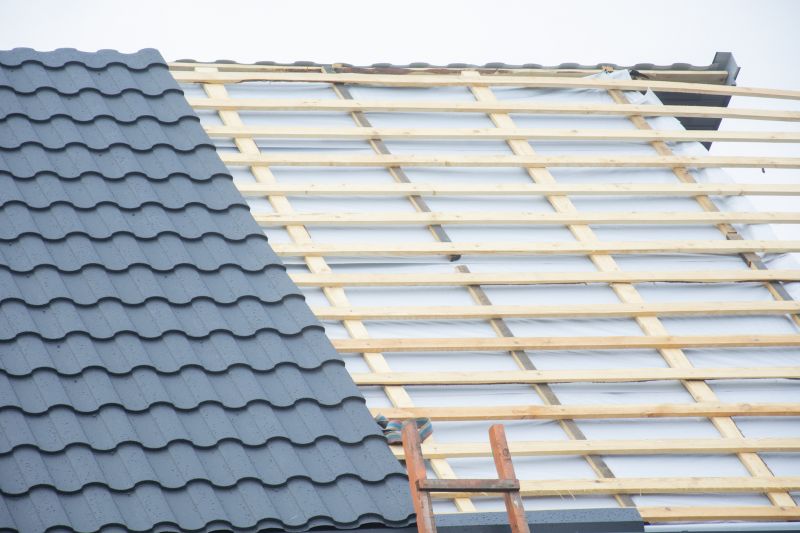
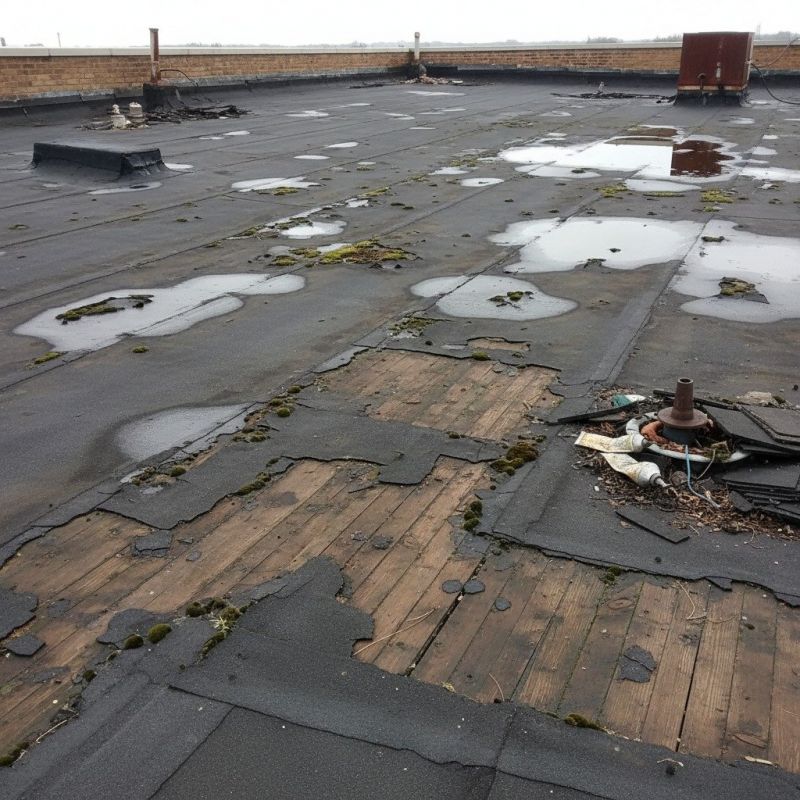
When homeowners search for information on common mistakes to avoid during a tar roof replacement, they are typically seeking guidance to ensure their project proceeds smoothly and produces a durable, long-lasting roof. This topic relates to planning and executing a roof replacement properly, highlighting potential pitfalls that can lead to costly repairs, leaks, or premature failure. Many property owners are replacing aging or damaged tar roofs on commercial buildings, industrial facilities, or residential structures with flat or low-slope roofs. Understanding the common issues that can arise during the process helps homeowners make informed decisions and recognize the importance of hiring experienced local contractors who know the specific requirements of tar roofing systems.
One frequent mistake involves improper surface preparation before applying new layers of tar or asphalt. Failing to thoroughly clean or repair the existing roof surface can lead to poor adhesion, resulting in leaks or peeling over time. Homeowners often overlook the critical step of inspecting for underlying issues such as cracks, ponding water, or debris that could compromise the new installation. Local service providers experienced in tar roof replacements can assess the roof’s condition and ensure proper preparation, reducing the risk of common problems that stem from rushed or incomplete prep work.
Another common error is selecting the wrong materials or applying them incorrectly. Tar roofing relies on specific types of asphalt, gravel, and membranes that must be installed following precise techniques. Using substandard materials or skipping recommended layering can weaken the roof’s integrity and diminish its lifespan. Homeowners should be aware that experienced local contractors understand the nuances of tar roof systems and can recommend suitable materials and proper application methods to avoid premature deterioration or leaks caused by improper installation.
Finally, neglecting proper ventilation and drainage considerations can lead to significant issues during and after a tar roof replacement. Poor ventilation can trap heat and moisture, accelerating roof deterioration and fostering mold growth. Inadequate drainage may cause ponding water, which can weaken the roofing membrane and promote leaks. Property owners should recognize that seasoned local service providers are familiar with the importance of integrating effective ventilation and drainage solutions into the roof replacement process. This attention to detail helps prevent common problems that arise from overlooked design elements, ensuring the new tar roof performs reliably for years to come.
Asphalt roofing projects - these involve similar surface preparation and layering techniques as tar roof replacements, making them relevant for understanding common mistakes and best practices.
Roof coating applications - applying protective coatings requires proper surface cleaning and timing, paralleling the careful planning needed during tar roof replacements.
Flat roof repairs - these projects often involve similar materials and techniques, highlighting the importance of proper installation to avoid common errors.
Membrane roofing services - installing membrane systems shares planning and sealing skills with tar roof work, emphasizing mistakes to avoid for long-lasting results.
Roof insulation upgrades - these projects require precise planning and installation, similar to avoiding mistakes during a tar roof replacement that can impact insulation performance.
Waterproofing projects - these involve detailed surface prep and sealing, which are critical steps also essential in proper tar roof replacement to prevent future issues.
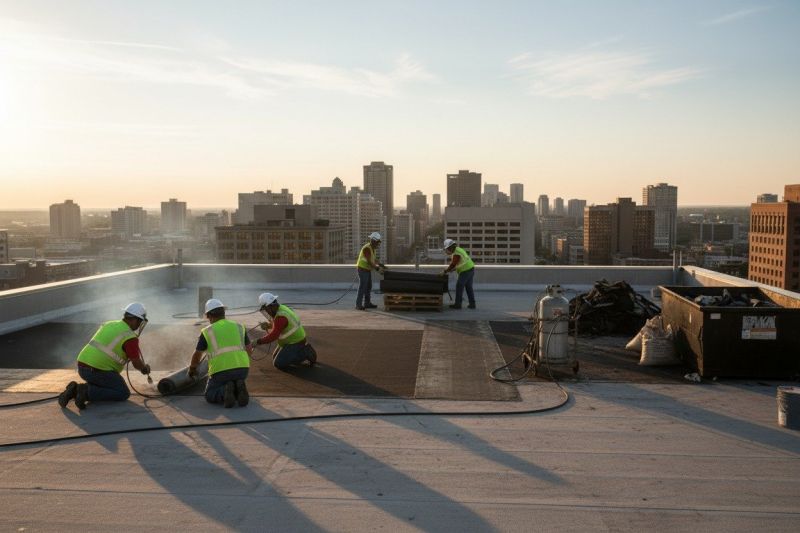
When evaluating potential service providers for a tar roof replacement, it is important to consider their experience with similar projects. Homeowners should look for local contractors who have a proven track record of successfully completing tar roof replacements, as this indicates familiarity with the specific challenges and best practices associated with this type of roofing. An experienced contractor is more likely to identify and avoid common mistakes during the process, such as improper surface preparation or incorrect application of materials, which can impact the durability and performance of the roof over time.
Clear written expectations are essential when comparing local pros for a tar roof replacement. Homeowners should seek providers who offer detailed proposals that outline the scope of work, materials to be used, and the expected outcomes. Having this information in writing helps prevent misunderstandings and ensures that both parties are aligned on the project requirements. It also allows homeowners to assess whether the service provider understands the nuances of a tar roof replacement and is committed to avoiding typical pitfalls, such as incomplete sealing or inadequate ventilation.
Reputable references and good communication are key indicators of a reliable service provider. Homeowners are encouraged to ask for references from previous clients who had similar work done, as this can provide insights into the contractor’s professionalism and ability to deliver quality results. Additionally, a contractor who communicates clearly and promptly demonstrates a commitment to transparency and customer service. Effective communication can help address questions or concerns during the project, reducing the likelihood of overlooked details or missteps that could lead to common mistakes during a tar roof replacement.
Property owners often search for common mistakes to avoid during a tar roof replacement when they are planning practical projects around their homes and businesses. Local pros provide Tar Roof Replacement services for everyday jobs and straightforward project options.
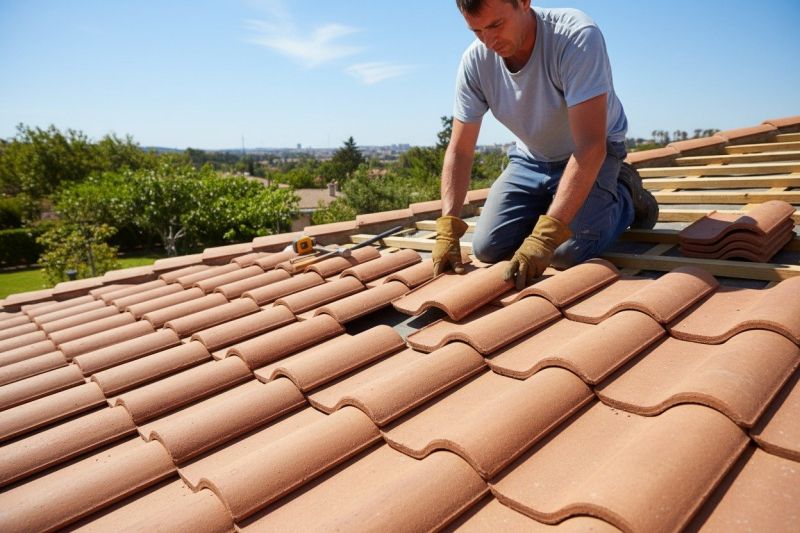
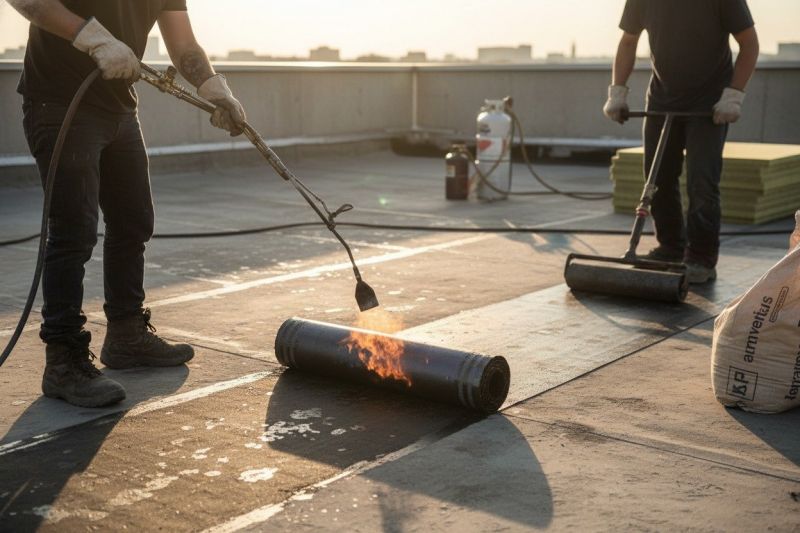
When considering a tar roof replacement, property owners often overlook the importance of proper surface preparation. Skipping thorough cleaning or failing to address existing damage can lead to poor adhesion of new roofing materials, which may cause leaks or premature wear. Local contractors emphasize the need for careful inspection and preparation to ensure the new roof performs effectively and lasts longer, helping property owners avoid costly repairs down the line.
Another common mistake involves improper application techniques or using materials that aren’t suited for the specific roof type. Inexperienced or rushed work can result in uneven layers, weak spots, or inadequate sealing, increasing the risk of leaks and reducing the roof’s overall durability. Relying on experienced service providers can help property owners avoid these issues, as local roofing specialists understand the best practices for tar roof replacement and can deliver a quality job that stands up to weather and time.
What is a common mistake to avoid during a tar roof replacement? One common mistake is not properly preparing the roof surface, which can lead to poor adhesion of the tar and reduce the roof's lifespan. Local contractors can ensure the surface is correctly cleaned and prepared before applying new materials.
Why is skipping the inspection process a mistake during a tar roof replacement? Skipping thorough inspections can result in overlooking underlying issues like damaged decking or leaks, leading to future problems. Experienced service providers can identify and address these issues early on.
How can improper application of tar affect the roof’s durability? Applying tar unevenly or in incorrect thickness can cause premature deterioration or leaks. Local pros are trained to apply tar consistently and correctly for optimal performance.
What mistake related to ventilation should be avoided during a tar roof replacement? Failing to ensure proper ventilation can trap heat and moisture, damaging the roof structure. Service providers can evaluate and improve ventilation as part of the replacement process.
Why is neglecting weather conditions a mistake during tar roof replacement? Working in unsuitable weather, such as rain or extreme heat, can compromise the quality of the installation. Local contractors plan work around weather to ensure proper curing and adhesion.
Proper surface preparation - ensuring the roof deck is clean and dry helps prevent issues like peeling or leaks after a tar roof replacement and is a task handled by experienced local contractors.
Avoiding improper layering - applying the correct number of tar layers according to industry standards reduces the risk of future damage, with local pros guiding proper application techniques.
Using quality materials - selecting durable, weather-resistant asphalt products ensures longevity, and local service providers can recommend the best options for specific property needs.
Timing the installation correctly - scheduling work during favorable weather conditions minimizes the risk of problems caused by moisture or temperature fluctuations, with local contractors managing the project timing effectively.
If you are thinking about common mistakes to avoid during a tar roof replacement for a property, this guide is meant to help you understand this topic, the typical project types, and how different options might fit your plans.
When you are ready, you can use the quote form on this page to share a few details about your project. From there, local pros can review the basics and follow up with options that match what you have in mind.